Bathroom Tile Guide: Styles, Materials & Tips
Date
2026-01-10 12:29:30
Category
Bathroom
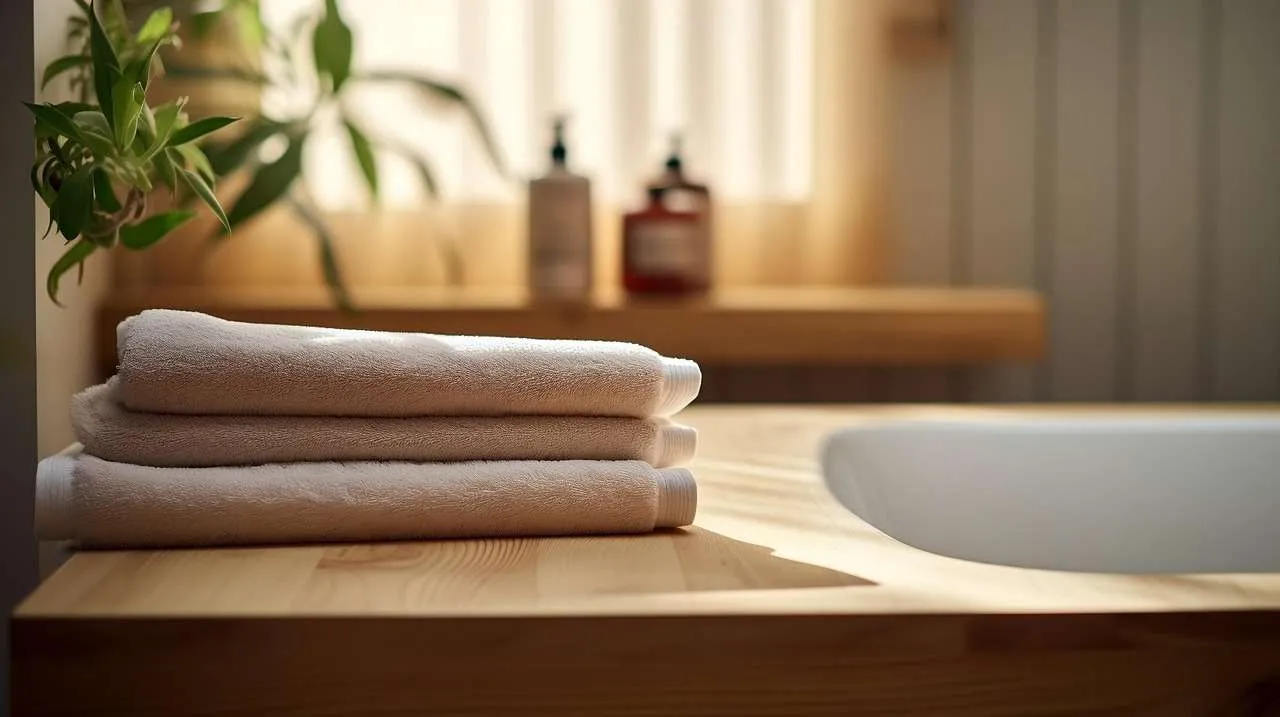
Choosing bathroom tile is a pivotal decision for durability, aesthetics, and value. This guide covers materials, design considerations, installation choices, and maintenance to help homeowners and designers make informed, EEAT-compliant decisions for any bathroom project.
What makes bathroom tile important
Tile is the backbone of a bathroom’s moisture resilience. Proper tile selection affects slip resistance, stain resistance, and long-term upkeep. From showers to vanity backsplashes and bathroom floors, the right tile reduces maintenance while elevating style. For best results, consult qualified installers for wet-area waterproofing and ensure materials meet local building codes and standard ratings for slip resistance and durability.
Popular tile materials
Ceramic tile
Ceramic tile is a versatile, budget-friendly option available in countless colors and patterns. Glazed ceramic resists stains and is easy to clean, making it ideal for walls and dry-to-moderate wet areas. On floors, ceramic can be durable if rated for heavy traffic, but it’s generally more prone to chipping than porcelain in high-traffic showers.
Porcelain tile
Porcelain is a denser, less porous option that performs well in floors and wet areas. Its low water absorption makes it highly durable and less prone to staining. While often pricier than ceramic, porcelain offers more consistent wear and can be used for large-format installations that reduce grout lines and create a seamless look.
Natural stone tile
Natural stone like marble, travertine, or slate delivers luxury and unique character. Stone requires regular sealing and maintenance and may require more care in bathrooms due to porosity. While some stones are highly durable, they can be sensitive to acids and daily cleaners, so selecting a stone with appropriate finish and sealing is critical for longevity.
Glass tile
Glass provides reflective surfaces and vivid color accents, ideal for backsplashes, shower niches, and accent runs. It is typically used as an accent rather than an all-surface material due to higher costs and texture considerations. Glass tiles may require specific substrates and careful grout choices to prevent staining and hazing over time.
Design considerations
Size and layout
The size of your tile influences the perception of space. Large-format tiles (12x24 inches or bigger) create fewer grout lines and a cleaner look, which can make a small bathroom appear larger. Narrow spaces can benefit from rectangular patterns, like 3x12 or 6x24 planks, laid in a running bond or herringbone for visual interest. For shower floors, consider slightly textured finishes or smaller formats with more grout to improve slip resistance.
Color and pattern
Light, neutral tones reflect more light and visually enlarge a space, while bold colors or patterned tiles can serve as focal points. When pairing wall and floor tiles, contrast is effective but should be balanced. Subtle veining or consistent grout color reduces visual noise, whereas a contrasting grout can highlight tile joints for a decorative effect. Remember to consider the overall color palette of cabinets, countertops, and fixtures.
Grout and maintenance
Grout color can dramatically change the tile appearance. Lighter grout emphasizes the tile pattern; darker grout hides dirt but may require more meticulous cleaning. Epoxy grout offers superior stain resistance and is easier to maintain in damp spaces, though it can be more expensive and harder to work with than cementitious grout. Regular cleaning and periodic sealing (especially for natural stone) help preserve appearance and hygiene.
Installation and maintenance
Tile installation involves substrate preparation, waterproofing, and proper setting. For showers and wet zones, a waterproof membrane beneath the tile is essential. While DIY installations are possible for walls or small projects, hiring a licensed tile installer ensures proper substrate prep, waterproofing, and finishing, reducing the risk of water damage. After installation, seal natural stone surfaces as recommended by the manufacturer and use non-acidic cleaners to protect the finish.
Maintenance practices extend tile life. Routine cleaning with mild, pH-balanced cleaners prevents buildup. Avoid harsh abrasives and acidic products on stone or glazed finishes. Re-sealing natural stone every 6–24 months, depending on porosity and use, helps maintain stain resistance. Promptly addressing cracked or loose tiles prevents water intrusion and mold growth.
Cost and budgeting
Costs vary by material, size, and labor. Ceramic tile is typically the most budget-friendly option, porcelain sits in the mid-range with higher durability, natural stone ranges higher due to material and sealing needs, and glass accents add premium price points. Labor costs depend on room size, layout complexity, and waterproofing requirements. Planning for underlayment, backer boards, waterproof membranes, and professional installation helps avoid costly repairs later.
Materials comparison
| Material | Pros | Cons | Maintenance | Typical cost (per sq ft) |
|---|---|---|---|---|
| Ceramic | Widespread availability, affordable, wide variety | Less dense than porcelain; can chip in high traffic | Easy to clean; mild cleaners acceptable | $1–3 |
| Porcelain | Dense, durable, water-resistant | Higher upfront cost; heavier/slower to install | Low maintenance; occasional grouting | $3–6 |
| Natural Stone | Timeless beauty; unique patterns | Porous; sealing required; potential staining | Seal and reseal; gentle cleaners | $5–20 |
| Glass | Reflective, modern look; great for accents | Higher cost; grout can stain if not cared for | Regular cleaning; choose epoxy grout for resilience | $5–12 |
Beyond material choice, accuracy in layout, moisture management, and ventilation play crucial roles in the tile’s long-term performance. EEAT practices recommend verifying product specifications, manufacturer warranties, and installer credentials before purchasing. For bathrooms with heavy moisture or high-traffic areas, prioritize porcelain or sealed stone and invest in quality waterproofing and backer board installations to ensure lasting results.
Conclusion, selecting bathroom tile is a balanced decision combining aesthetics, performance, and upkeep. By understanding material properties, planning layout, choosing appropriate grout and sealing strategies, and budgeting for professional installation, you can achieve a durable, stylish bathroom that remains timeless for years to come.
Related Articles
Bathroom Decor Ideas: Stylish Refresh 2026
Read More >
Small Bathroom Ideas: Clever Space-Saving Design
Read More >
Bathroom Decor Ideas for a Fresh Home
Read More >