EPDM Roofing Guide: Durable and Affordable
Date
2026-01-10 12:33:21
Category
Roof
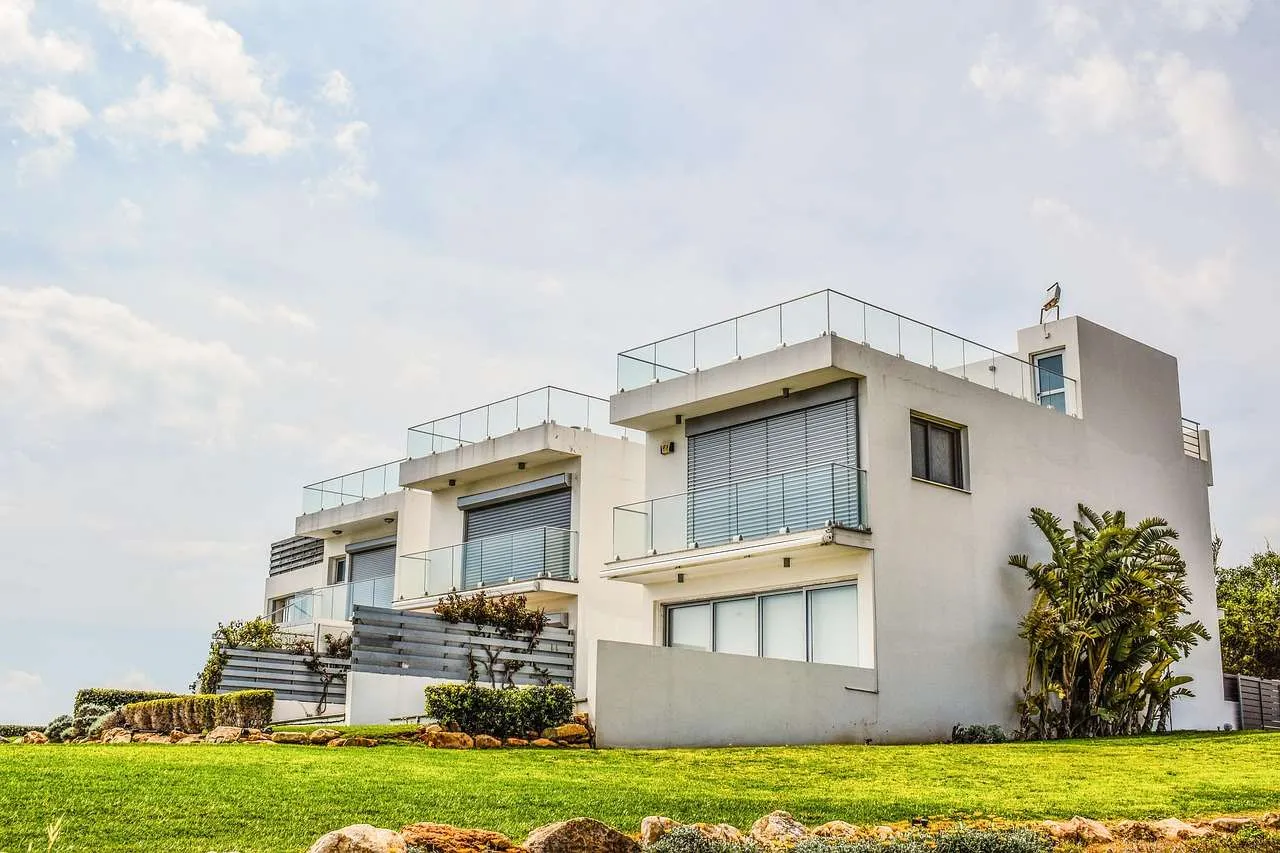
EPDM roofing is a popular choice for flat and low slope roofs thanks to its durability, flexibility, and cost effectiveness. Made from ethylene propylene diene monomer, EPDM membranes resist UV degradation and weathering, delivering long service life for commercial and residential buildings alike.
What is EPDM roofing?
EPDM stands for ethylene propylene diene monomer, a synthetic rubber used in flat roof membranes. It is sold as sheet or roll membranes and can be reinforced for strength. Typical thickness ranges from 45 to 60 mil, and installers may use full surface adhesion, mechanical fastening, or ballast systems. EPDM roofs are commonly available in black for heat absorption or white reflective versions to reduce heat gain in hot climates.
Benefits of EPDM roofing
- Durability and flexibility that resist cracking in temperature swings
- Excellent weathering and UV resistance when properly installed
- Lightweight and easy to repair with patch kits or splices
- Low maintenance with long service life and predictable performance
- Strong compatibility with insulation and flashing, simplifying retrofits
EPDM roofing types and installation
Types
There are two main forms: sheet or roll membranes and liquid-applied EPDM coatings. Sheet EPDM is common for larger roofs and provides durable seams via factory-spliced sheets. Liquid EPDM coatings offer seamless application and are useful for complex shapes or retrofit projects.
Installation considerations
Installation methods vary: full surface adhesion uses a compatible adhesive, mechanical fastening attaches panels with screws, and ballasted systems rely on weights like pavers. The choice depends on roof design, climate, substrate, and expected ponding. A proper vapor barrier and flashed edges are critical to prevent leaks. Weather, substrate condition, and the availability of experienced installers influence performance and warranty eligibility.
Maintenance, longevity, and warranties
Regular inspections, typically twice a year, help catch punctures, seam issues, or flashing failures early. Clean gutters, remove debris, and monitor ponding areas to avoid accelerated wear. Typical EPDM life spans range from 30 to 50 years, with longer lifespans on properly installed systems in non ponding conditions. Warranties vary by manufacturer and contractor but commonly cover material defects and workmanship for 10 to 20 years. Choosing a certified installer improves warranty validity and long-term performance.
Cost and comparison with other flat roofing options
Prices depend on roof size, thickness, preparation work, and access. Installed EPDM generally costs between 5 and 8 per square foot, while TPO ranges around 6 to 9 per square foot and PVC can be higher, typically 9 to 14 per square foot. Weather exposure, roof complexity, and additional flashing or insulation work all influence final costs. Energy performance can also affect long-term operating costs, particularly with white EPDM that reflects heat in hot climates.
EPDM vs alternatives
| Material | Durability | UV Resistance | Temperature Range | Cost | Best For |
|---|---|---|---|---|---|
| EPDM | 30-50 years | Excellent | -40 to 230 F | Moderate | Low slope roofs, easy repairs |
| TPO | 15-25 years | Good | -40 to 180 F | Moderate to high | White reflective roofs, energy efficiency |
| PVC | 25-30 years | Excellent | -20 to 180 F | High | Food service, chemical exposure |
Choosing a contractor and ensuring EEAT
To meet EEAT standards, select installers with verified credentials, proper licenses and insurance, and manufacturer certifications. Review portfolios, check references, and confirm warranty terms and response times for repairs. Prefer suppliers who stand behind both materials and workmanship with clear, written guarantees. Transparent communication, detailed proposals, and ongoing owner education reinforce trust and long term satisfaction.
Maintenance checklist for EPDM roofs
- Schedule biannual inspections and address any ponding or seam concerns
- Keep drainage paths clear of leaves and debris
- Inspect flashings around penetrations and edges
- Avoid walking on the membrane; perform repairs using approved patches
- Update insulation and consider reflective coatings in hot climates
Conclusion, a well chosen EPDM roofing system offers a durable, cost effective solution for flat roofs. With proper installation, regular maintenance, and a qualified contractor, EPDM delivers long term performance, simple repairs, and reliable protection against weathering while meeting energy and environmental considerations for modern buildings.
Related Articles
Corrugated Metal Roofing: Durable and Affordable
Read More >
Metal Roofing Panels: Durable Roofing Solutions
Read More >
Roofing and Roof Repairs: Expert Guide
Read More >